Marble - Shop Marble Countertops, Granite Countertops and Vanity Tops



Decor Bonus!

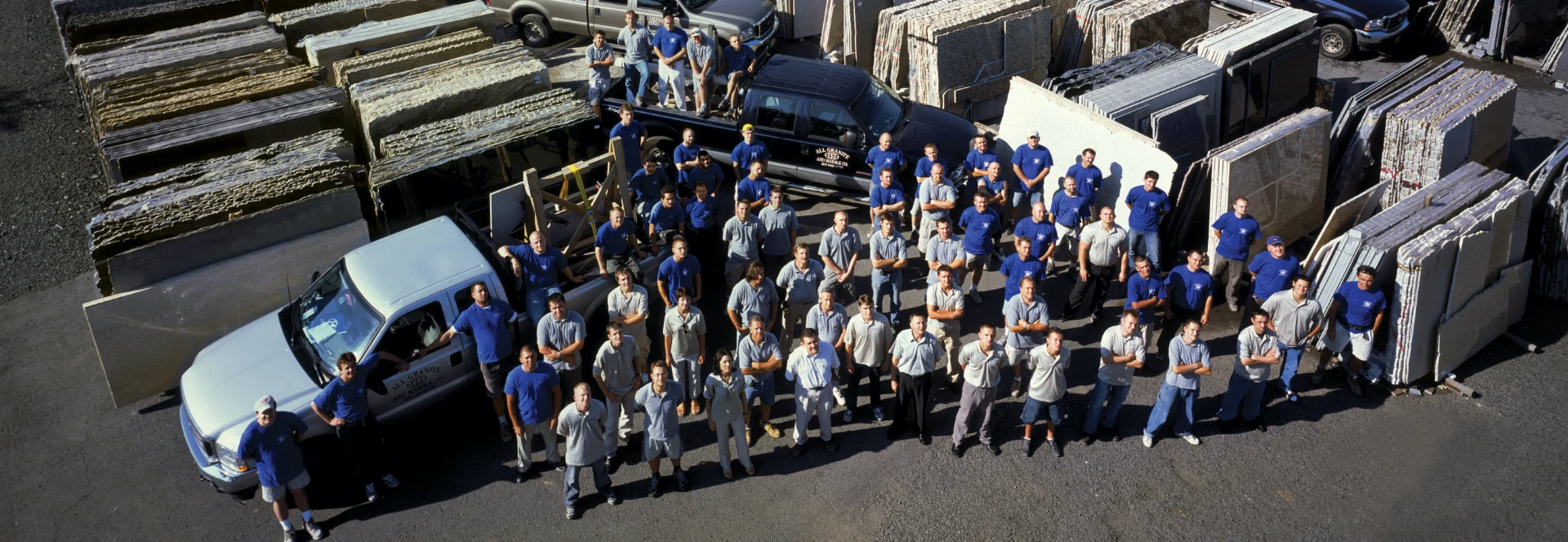


Material Selection
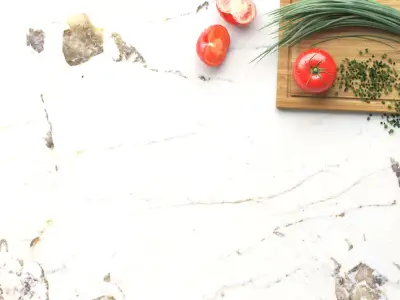
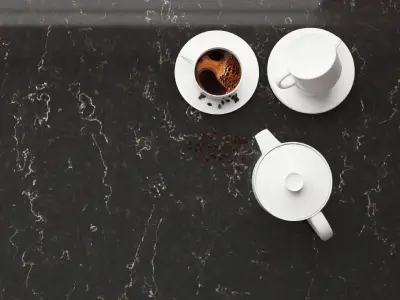
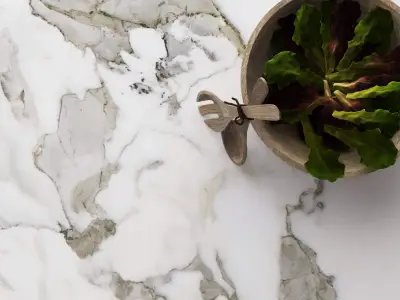
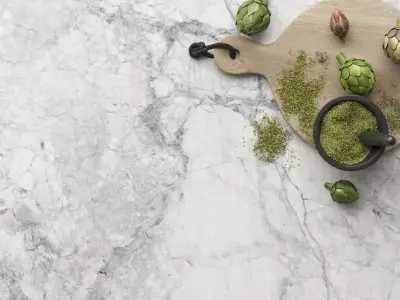
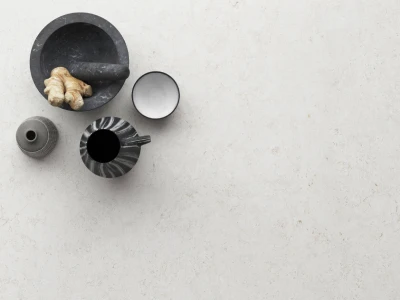
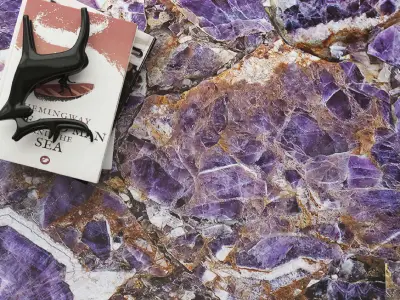
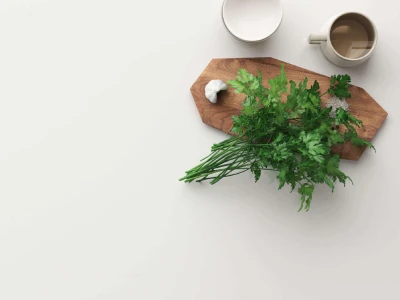
Find the perfect material match for your lifestyle at marble.com. We proudly offer an extensive library of over 2,000 colors of stone. Materials are available in one of our branches. To see more, click on the images below.





Call an Agent
Customer service offers a friendly voice to save you time and money, we’re here to answer your questions.
 201-440-6779
Hablamos Español
OR

Get an Online Estimate
Your free and easy to use online estimate tool, will give you accurate estimates for all your countertop needs in minutes.
Why You Should Work With Us

Customer Comes First
We take pride in carefully planning and delivering on every part of the process, all while keeping your needs as our top priority.

Fast Turnaround
Due to our on-site, fully-stocked fabrication facilities, we can have your new custom countertop ready in just a few days.

Superior Craftsmanship
Our team of professionals have decades of experience in custom countertop fabrication, installation and care.

Largest Stone Selection
Marble.com features over 2,000 stone colors. This is the largest selection of premium countertop materials in the country.

No Hidden Costs
With no hidden costs involved, you can rest assured that the price you’re quoted is the price you’ll pay.

No Pressure Sales
We want you to be confident in your final purchasing decision, so you will never be rushed or pressured by our team.

Latest Technology
All countertops are created using the latest CNC and CAD technology to ensure precise cuts every time.

Big Savings
Keeping your budget in mind, our team will make sure you get the best deal on your new countertop.

Trusted Sources
Our showrooms carry the finest quality materials from trusted brands worldwide.
We Make Your Countertop Project Easy
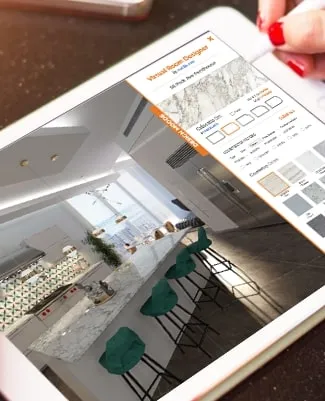
Use Our Virtual Room Designer
Design your dream room for free with our interactive Virtual Room Designer.
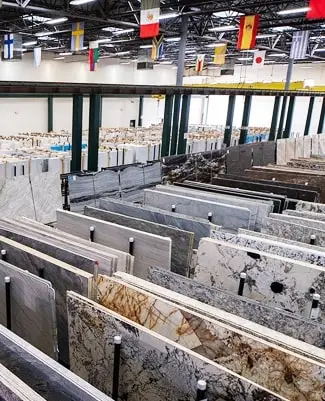
Visit the Slabyard
Visit our slab yard to view our extensive inventory and select your desired material.

Get Expert Design Help
Have our experienced team help you find the perfect design match for your space.
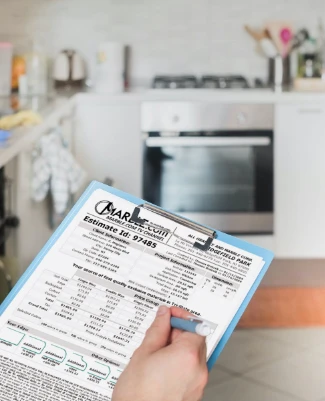
Detailed Estimate
Receive a detailed estimate at any one of our locations to get started on your project today.
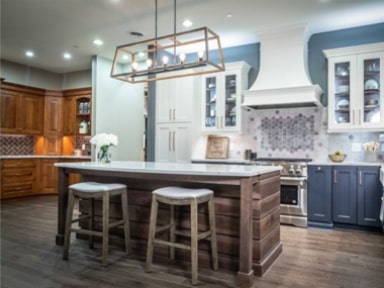
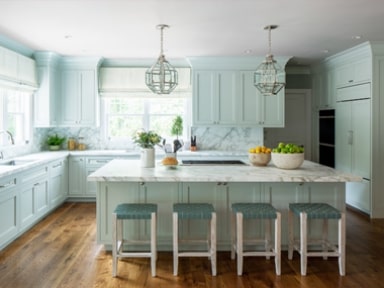
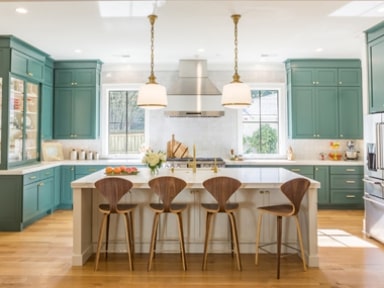
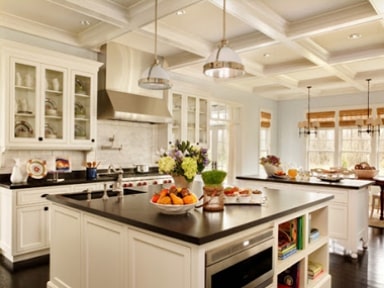
Inspirational Gallery
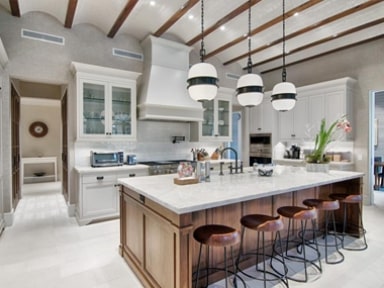
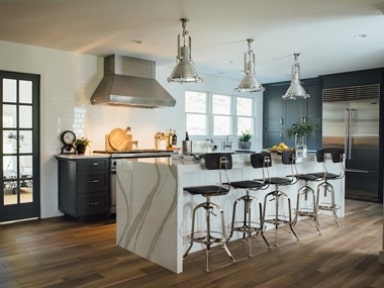
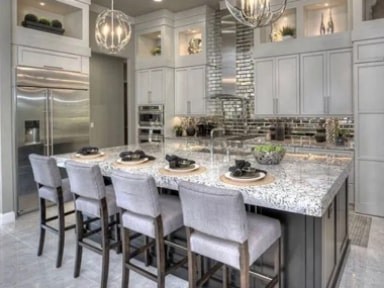
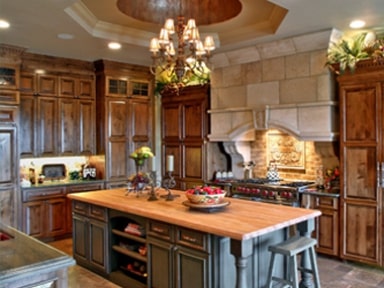
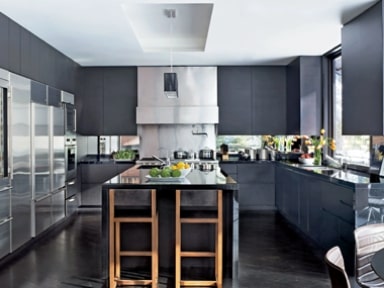
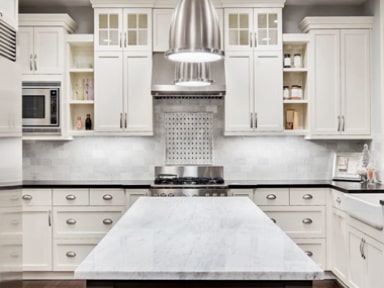
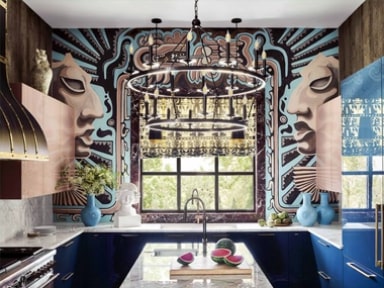
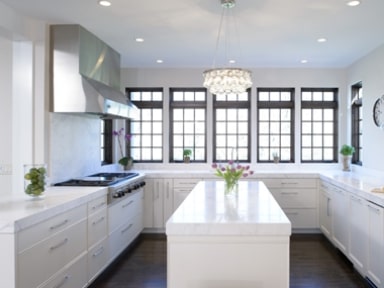
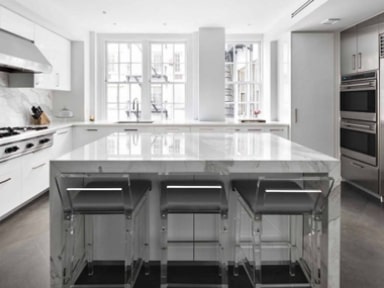
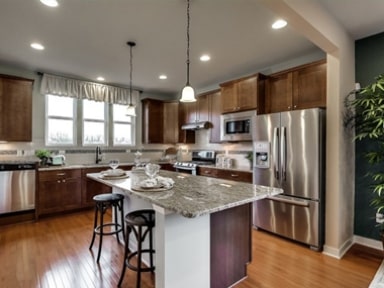
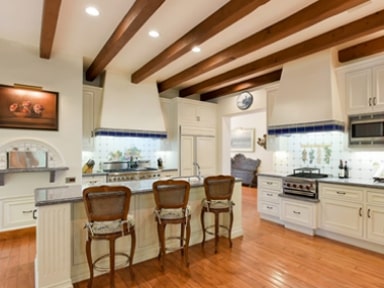


What Our Clients Say About Us
Read what customers to say about our stone selection, customer service, and transparency.


Out of 200+ ratings

Very professional and polite. Endless stone choices. Perfect installation and very fast turnaround. Bob, Petko and Renee were all very helpful in sales. Recommend Darek & his crew on a smooth installation!Miesha DiMeglio
Derek and his crew installed our quartz counter and peninsula tops. We were very happy with their professional installation and would recommend them to anyone requiring similar installations.Frank Holzmann
They have a large selection and are very helpful. They did a great job installing everything for our kitchen island and our bathroom vanities. Derrick did a great job with our vanity backsplash.Avi Shinnar
Frequently Asked Questions


